7 Surprising Benefits of Vitamin D for Your Body and Health

Discover 7 Wonderful Benefits Of Vitamin D That You Need To Know
Vitamin D is an essential nutrient that supports several key functions in the body. It’s good for your bones and helps build immunity and overall health.
In this guide, we’ll explain the true benefits of vitamin D, how it works, and why it’s important for everyday life.
What Is Vitamin D?
Vitamin D is a fat-soluble vitamin that your body produces when your skin is exposed to sunlight. It can also be obtained through food and supplements.
It functions like a hormone and is involved in many body systems, not only bones.
Top 7 Amazing Benefits of Vitamin D for Humans
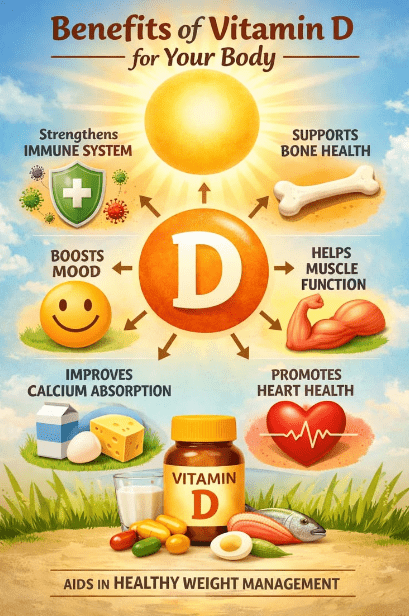
1. Supports Strong Bones and Teeth:
Vitamin D benefits bone health. One of the most significant advantages of vitamin D is bone health.
Helps the body absorb calcium
Prevents weak or brittle bones
Reduces the risk of fractures
Low vitamin D levels can cause bone problems over time.
2. Boost The Immune System:
Vitamin D can boost the ability of your body to fight off infections and illness.
Aids the function of immune cells
Helps reduce inflammation
Can reduce the risk of infections
Having a healthy immune system is an important factor in our health.
3. Improves Muscle Function:
Vitamin D is also involved in muscle strength and movement.
Promotes proper muscle contraction.
Reduces muscle weakness
Helps with physical performance
That is particularly critical for older adults.
4. Good for the Heart:
Vitamin D can help maintain a healthy heart.
Helps regulate blood pressure
Helps blood vessels work properly
May reduce the risk of heart disease
More of this research continues, but the link is strong.
5. Enhances Mood and Mental Health:
Vitamin D is associated with brain function and mood.
May help relieve symptoms of depression
Helps keep the brain healthy
Helps control mood
Low levels are commonly associated with mood disorders.
6. Helps with Weight Management:
Vitamin D can help maintain a healthy weight.
Assists with digestion.
May help reduce fat storage
Impacts hormones involved in appetite regulation
This is not a magic pill but complements a healthy lifestyle.
7. Supports Healthy Pregnancy:
The contribution of vitamin D in pregnancy:
Aid for a baby’s bone development and immune health for mom and baby.
Reduces risk of complications
Consumption is often advised during pregnancy by doctors.
Signs of Vitamin D Deficiency:
Note: A lot of people are vitamin D deficient.
Common signs include:
- Feeling tired
- Pain in the bones
- Muscle weakness
- Frequent illness
- Bad mood
If you see these red flags, testing could help.
Best Sources of Vitamin D:
- Sunlight:
The most natural source.
Ten to twenty minutes of daily sun exposure can be helpful.
Varies on skin type and area.
- Foods Rich in Vitamin D:
Include these in your diet:
1. Fatty fish (salmon and tuna)
2. Egg yolks
3. Fortified milk and cereals
4. Cheese
5. Supplements
At times, diet and sunlight are insufficient.
Vitamin D3 is commonly recommended..
Always follow dosage advice
FAQs:
Q1: What is the benefit of vitamin D to the body?
A: Vitamin D plays a role in bone strength, immune support, muscle function, and mood balance.
Q2: If your vitamin D is low, then what?
A: Vitamin D deficiency can lead to fatigue, weak bones, muscle pain, and low immunity.
Q3: Can you get enough vitamin D from the sun?
A: In most cases, yes, but skin tone, weather conditions, and lifestyle factors can lower production.
Q4: Are vitamin D2 and D3 equivalent?
A: Vitamin D2 or vitamin D3 is better for raising vitamin D levels in the body.
Q5: Is vitamin D good for immunity?
A: Yes, it’s important for immune system function.
Important Tips:
How Much Vitamin D Should You Get?
Nutritional needs differ according to age and health state.
Adults: 600–800 IU (average)
Older adults: May need more
Cases of deficiency: Higher doses can cause long-term complications
Always refer to a medical professional for individual requirements.
Can You Get Too Much Vitamin D?
Yes, there can be harmful effects in excess.
Possible risks:
Nausea
Kidney problems
High calcium levels
Use it within safe limits and never overuse it.
From Bones to Immunity: Why Vitamin D Matters
Vitamin D Is More Than a Bone Booster. It supports:
Immune strength
Mental health
Heart function
Muscle performance
And this makes it one of the most crucial nutrients for your body.
For more info, visit our Shop or our Facebook Page.