Why Am I Always Tired? You Need To Focus on 7 Signs of Vitamin B12 Deficiency
B12 is a vital nutrient that your body needs to stay healthy. It’s necessary for the production of red blood cells, maintenance of your nervous system, and synthesis of DNA. Your body can’t produce it endogenously, and thus you must obtain it from food or supplements.
How it works: A vitamin B12 deficiency generally develops gradually (over time). The early signs are insidious and easily overlooked. But your body communicates, still. So early on, if you identify them, the problems can be addressed before they persist and become serious.
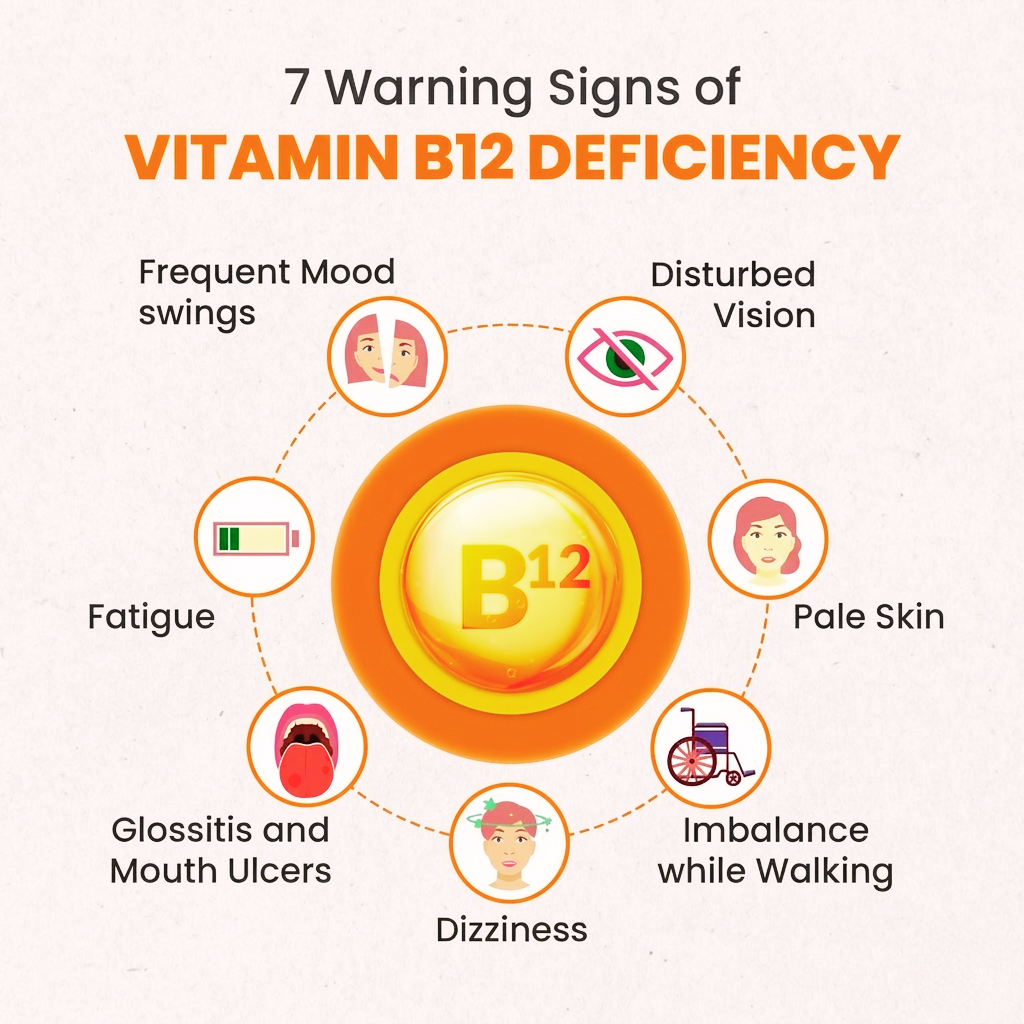
7 Signs Your Body Lacks Vitamin B2
1. Constant Fatigue and Weakness
To be fatigued all the time is the main symptom of the disease.
The body needs vitamin B12 to make red blood cells that carry oxygen. Low levels mean that less oxygen is available to you, leaving you feeling tired even with enough rest.
2. Tingling in Hands and Feet
A “pins and needles” sensation in your hands or feet might be a warning sign.
Vitamin B12 keeps the nerves insulated with myelin. When we don’t have enough of it, the nerve signals aren’t as effective, and numbness or tingling can happen.
3. Brain Fog and Memory Problems
You may be deficient in B12, and it can impact your brain health.
You might find it hard to concentrate, have memory lapses, or feel sluggish mentally. This is because B12 is essential for maintaining a healthy nervous system.
4. Pale or Yellowish Skin
But if your skin appears much paler than usual or has a slight yellow tinge, it may be a sign.
Related: Vitamin B12 Deficiency and Making Red Blood Cells. When these cells degrade, they release a substance that can slightly stain your skin yellow.
5. Mood Changes and Irritability
Did you know the production of serotonin, which regulates mood and depends on vitamin B12?
High levels of cortisol in saliva can cause irritability, acute mood swings, or even act as a catalyst for depressive symptoms.
6. Shortness of Breath and Dizziness
If you find yourself getting winded after something as simple as climbing a flight of stairs, or you frequently feel lightheaded, your low B12 could be to blame.
This is because healthy red blood cell levels are low, which also indicates low oxygen in the body.
7. Glossitis and Mouth Ulcers
A red and swollen tongue or mouth ulcers that won’t heal can be a signal as well.
Some will have a smooth tongue and mouth burning due to B12 deficiency.
Taking Action for Better Health
If you experience one or more of these symptoms, it’s time to take stock of what you’re eating.
Vitamin B12 is found mainly in:
- Meat
- Fish
- Eggs
- Dairy products
This is particularly relevant for vegetarians and vegans, who may need fortified foods or supplements.
You can check your B12 levels with a simple blood test. Your doctor might suggest dietary changes or supplements, depending on your findings.
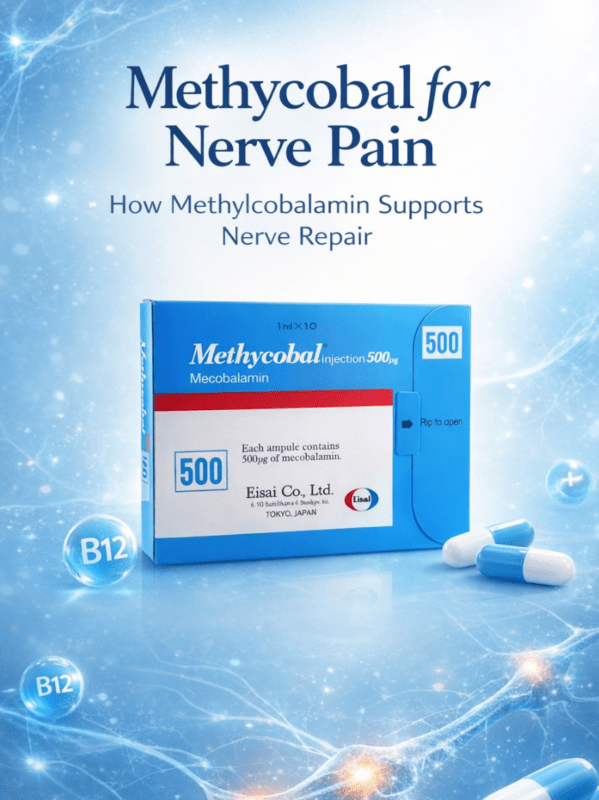
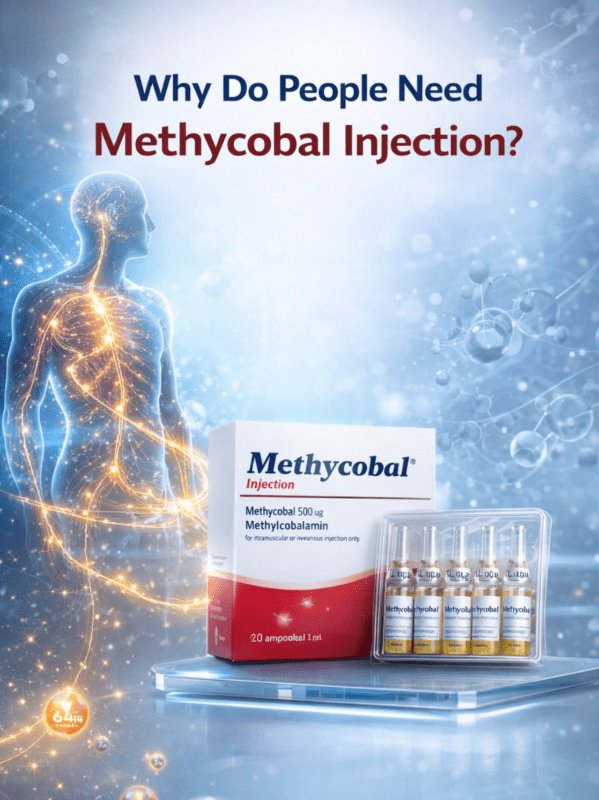
Medicine Option: Methycobal Injection
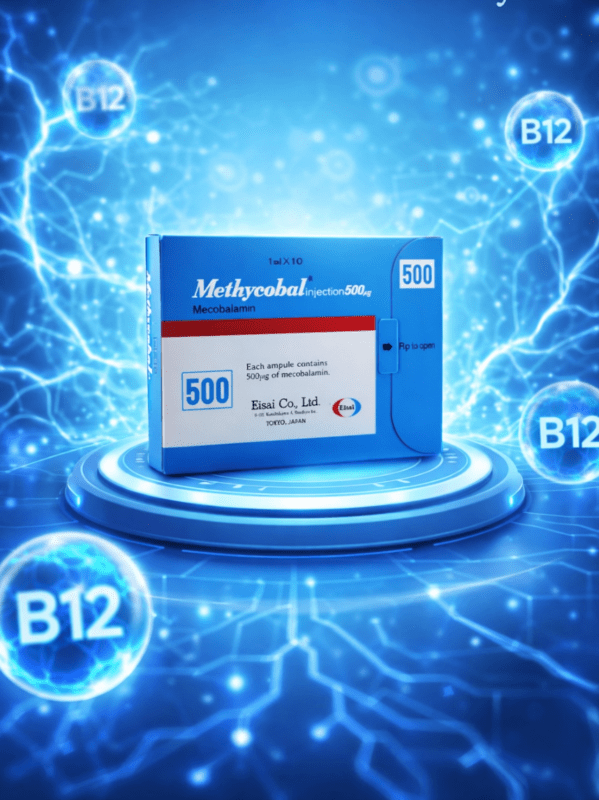
Methycobal Injection is used to treat vitamin B12 deficiency. One of them is mecobalamin, an active form of Vitamin B12 that helps repair nerve cells and increase red blood cell production.
In moderate-to-severe deficiency cases, this injection is typically prescribed, particularly if symptoms such as nerve pain, numbness, or chronic fatigue are present. Because sublingual delivery bypasses the digestive system to enter directly into circulation, it’s faster-acting than oral supplements.
But only under medical supervision should it be taken. Depending on your condition, your doctor will determine the appropriate dosage and length of treatment.
Frequently Asked Questions (FAQs)
Q1: What is Vitamin B12 deficiency in the early stage?
A: Because the symptoms of Vitamin B12 deficiency can be quite vague or broad, the early signs include mucosal tiredness, a sense of weakness, queasiness, or simply a tingling sensation in the hands and feet. Others notice brain fog or mood changes. Indeed, the symptoms can develop slowly and be overlooked at first.
Q2: But why would anything be low otherwise?
A: Dietary habits of vegetarians and vegans are commonly found with low levels of Vitamin B12. Other reasons could be digestive disorders, age, or diseases that hinder the absorption of nutrients, such as Pernicious Anemia.
Q3: Which food sources are good sources of Vitamin B12?
A: Foods rich in B12 Vitamins include
- Meat (beef, chicken)
- Fish (salmon, tuna)
- Eggs
- Dairy products (milk, cheese, yogurt)
- And fortified cereals are a great choice for people who don’t consume animal products.
Writing from the United States, Victrimus has posted a question asking what he or she should do if they suspect Vitamin B12 Deficiency.
A type of bloodwork can assess your Vitamin B12 levels. Doctors can also look, amongst other things, at the level of red blood cells to know if low Vitamin B12 is to blame.
Q4: Are These Vitamin B12 Deficiency Dangers?
A: Yes. Without treatment, it can cause nerve damage, memory problems, and anemia. A chronic deficit can also affect balance and mental health.
Q5: But how quickly will the vitamin B12 deficiency treatment be?
A: Treatment depends on the severity. Less-severe varieties might respond to changes in diet and oral supplements. For severe cases, Methycobal Injection may be given to rapidly boost the levels.
Q6: How long does it take to recover from a vitamin B12 deficiency?
A: Recovery time varies. Some take weeks, others months, to recover — especially if nerves are involved.
Q7: Who’s at greater risk of Vitamin B12 deficiency?
A: People at higher risk include:
- Vegetarians and vegans
- Older adults
- People with digestive disorders
- For people on certain medications that affect absorption
Q8: Is it OK to take vitamin B12 every day?
A: Vitamin B12 supplements are safe to take in general as long as the dosage instructions are being adhered to. All that said, it’s always best to see a doctor for the correct dosage specific to you.
Q9: Is Vitamin B12 deficiency common?
A: Yes, this is not a rarity in the world, and especially in patients with poor consumption of animal products or absorption problems.
Final Thoughts
Vitamin B12 deficiency is frequent but unnoticed. The good news is that if it’s caught early, it can often be easily treated.
Listen to your body. Fatigue or tingling, to name a few lesser symptoms, can be red flags. However, taking steps now may help preserve your energy, brain health, and well-being. Vitamin B12 is an essential vitamin your body needs to remain healthy. You need it to make red blood cells, for your nerves to function, and to make DNA. Your body cannot synthesize it on its own, so you need to obtain it through foods or supplements.
The tricky thing about vitamin B12 deficiency is that it often happens gradually. The precursors can be so subtle that you may write them off. But your body continues to send signals. If you notice them early, you can treat the issue before it escalates.